Bharmal Journal

How Surat’s growth changes hardware choices

A project-focused account of early specification, repeatability, maintenance and the details that should be resolved before fabrication.

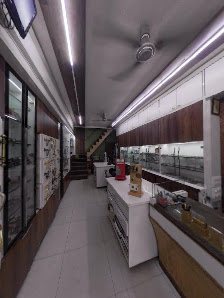
Hardware display aisle at Bharmal Hardware Khazana in Surat
A practical guide from Bharmal Hardware Khazana, Bhagal, Surat.

As homes, workplaces and mixed-use projects become more complex, small hardware decisions affect more teams and more years of use.

This guide is intentionally specific to “How Surat’s growth changes hardware choices.” It does not use length as a substitute for evidence or repeat a general purchasing article under a new heading. Instead, it develops the subject through six connected questions, practical checkpoints and sources that readers can inspect. The purpose is to give homeowners and project professionals enough context to recognise what is known, what still needs to be verified and which next step belongs with the showroom, installer, designer, builder or another responsible specialist.

The argument begins with hardware crosses several work packages and continues through the need to check board thickness. Those details matter because a hardware or interior-material decision rarely exists by itself. It sits inside a sequence of design, measurement, availability, fabrication, installation and daily use. By showing that sequence, the article helps a reader ask a better question and reduces the temptation to treat a product photograph, community label, city reputation or familiar brand name as a complete answer.

Read the chapters in order or use the contents list to move directly to the relevant issue. At each stage, compare the discussion with the actual project, preserve the photographs or references that support the decision and label any assumption that has not yet been checked. The final aim is practical: to connect reduce noisy or abrupt movement with store the as-installed schedule in a way that remains understandable after the immediate conversation has ended.

01

Growth creates coordination, not just demand

More construction creates more doors, cabinets and interiors, but the important change is organisational. Architects, builders, contractors, fabricators and clients must align decisions across design, procurement and installation. For a buyer or project team, the practical value of this idea is that hardware crosses several work packages and late changes affect multiple teams. These are not abstract principles. They affect the information that should be gathered, the people who need to participate and the point in the programme at which a decision becomes difficult to change.

Begin by examining the first two working questions: how can the project ensure that quantities multiply small errors, and who is responsible for confirming that availability influences programme? Putting those questions into ordinary language makes the subject easier to discuss with homeowners, fabricators, designers and procurement teams without losing the detail that protects the outcome.

The final consideration is equally important: handover needs product records. It connects the immediate choice with what happens after the quotation, after installation and after the room enters daily use. A decision is more durable when its reasoning can be understood later rather than reconstructed from memory.

A useful review therefore combines evidence and observation. Record the relevant dimensions or references, compare the visible and moving qualities in person, and note any assumption that still depends on the site. This turns “growth creates coordination, not just demand” from a broad idea into a sequence that a real project can follow.

There is also a communication test. Ask whether someone who was not present for the original conversation could understand why the decision was made. The record should make clear how hardware crosses several work packages relates to quantities multiply small errors, where a sample or source can be checked and which detail remains open. If the explanation depends entirely on memory, the project is carrying avoidable risk.

Before closing this part of the work, return to the user’s daily experience. Consider the point at which late changes affect multiple teams becomes visible or felt, and whether the approach will still support handover needs product records months later. This final review keeps technical discipline connected to the human reason for making the choice in the first place.

  • Hardware crosses several work packages.
  • Late changes affect multiple teams.
  • Quantities multiply small errors.
  • Availability influences programme.
  • Handover needs product records.
02

Specify before the opening is prepared

A lock, closer, hinge or pull-out may determine drilling, recesses, reinforcement and clearances. Selecting it after fabrication can force compromises that were avoidable earlier. The subject becomes clearer when it is divided into observable choices. First, coordinate door and frame details. Next, check board thickness. Together they establish what is known before appearance, price or convenience begin to pull the discussion in different directions.

The middle of the decision concerns coordination. A responsible process asks how to confirm handing while also making sure that teams allow mechanism clearances. If either part remains vague, a technically sound product can still arrive at the wrong moment or be installed in a way that weakens the intended result.

Long-term value is carried by the last point: approve a physical sample. That may mean a product record, a care instruction, a transparent correction or a source that another reader can inspect. It is a small act of continuity, but it is precisely what separates a considered process from an isolated purchase.

In practice, write the requirement in one paragraph, attach the relevant photographs or samples and name the person who will approve the next step. Review the result against the heading “Specify before the opening is prepared.” If the evidence does not support the claim, refine the wording or gather the missing information before proceeding.

An effective review should expose trade-offs rather than hide them. Improving coordinate door and frame details may place more emphasis on confirm handing, while the need to allow mechanism clearances can affect timing or documentation. Naming that relationship helps a client choose consciously instead of discovering the compromise after installation or publication.

The lesson can then be carried into the next project. Preserve the approved reference, note what worked and record any correction that changed the result. In that way, “specify before the opening is prepared” becomes part of a growing body of first-hand knowledge rather than a one-time statement. That accumulation is one of the most useful forms of local expertise.

  • Coordinate door and frame details.
  • Check board thickness.
  • Confirm handing.
  • Allow mechanism clearances.
  • Approve a physical sample.
03

Different spaces require different performance

An apartment entrance, hotel corridor, office cabin and retail door experience different traffic, security and maintenance conditions. Repeating one product everywhere may simplify buying while reducing suitability. A showroom or project team can translate that context into action by starting with classify openings by use. The next safeguard is to identify high-traffic locations. These two habits reduce the chance that a decision will be based only on a product photograph, a familiar label or the urgency of the moment.

Comparison becomes productive when it tests more than one dimension. Consider how the choice will consider moisture and cleaning, then ask whether the process can separate security levels. The answer may require a sample, a measurement, a professional check or a documented alternative rather than a stronger marketing claim.

The broader standard is to allow intentional upgrades. That standard keeps the reader focused on people and outcomes. It also helps distinguish useful expertise—which shows its assumptions and limits—from generic advice that could have been attached to any product or city.

Use this chapter as a review prompt. Identify the evidence already available, list the unresolved point and decide whether it belongs with the customer, designer, installer, supplier or another specialist. The goal is not to add procedure for its own sake; it is to resolve “different spaces require different performance” while change is still inexpensive.

Look for the boundary between information and judgement. Measurements, source records and product data can support identify high-traffic locations, but experience is needed to interpret how that evidence affects separate security levels. A strong recommendation makes both parts visible: what can be verified and what is a professional or practical conclusion based on the circumstances.

Finally, translate the chapter into one action that can be completed now. It may be a photograph, a sample, a call, a schedule revision or a check with the responsible professional. The action should advance classify openings by use without losing sight of allow intentional upgrades. Progress becomes easier to manage when every discussion ends with a clear, proportionate next step.

  • Classify openings by use.
  • Identify high-traffic locations.
  • Consider moisture and cleaning.
  • Separate security levels.
  • Allow intentional upgrades.
04

Procurement needs approved alternatives

A schedule that names only one visual reference can stall when stock changes. A responsibly defined alternative preserves critical dimensions and performance while giving procurement room to respond. For a buyer or project team, the practical value of this idea is that define non-negotiable requirements and record acceptable finish movement. These are not abstract principles. They affect the information that should be gathered, the people who need to participate and the point in the programme at which a decision becomes difficult to change.

Begin by examining the first two working questions: how can the project ensure that compare warranty and service, and who is responsible for confirming that obtain approval before substitution? Putting those questions into ordinary language makes the subject easier to discuss with homeowners, fabricators, designers and procurement teams without losing the detail that protects the outcome.

The final consideration is equally important: update the final schedule. It connects the immediate choice with what happens after the quotation, after installation and after the room enters daily use. A decision is more durable when its reasoning can be understood later rather than reconstructed from memory.

A useful review therefore combines evidence and observation. Record the relevant dimensions or references, compare the visible and moving qualities in person, and note any assumption that still depends on the site. This turns “procurement needs approved alternatives” from a broad idea into a sequence that a real project can follow.

There is also a communication test. Ask whether someone who was not present for the original conversation could understand why the decision was made. The record should make clear how define non-negotiable requirements relates to compare warranty and service, where a sample or source can be checked and which detail remains open. If the explanation depends entirely on memory, the project is carrying avoidable risk.

Before closing this part of the work, return to the user’s daily experience. Consider the point at which record acceptable finish movement becomes visible or felt, and whether the approach will still support update the final schedule months later. This final review keeps technical discipline connected to the human reason for making the choice in the first place.

  • Define non-negotiable requirements.
  • Record acceptable finish movement.
  • Compare warranty and service.
  • Obtain approval before substitution.
  • Update the final schedule.
05

Customer experience lives in touch points

Occupants encounter the building through handles, locks, latches, drawer movement and wardrobe fittings. These details influence how quality is perceived long after the marketing material has been forgotten. The subject becomes clearer when it is divided into observable choices. First, prioritise frequent touch points. Next, test ergonomic comfort. Together they establish what is known before appearance, price or convenience begin to pull the discussion in different directions.

The middle of the decision concerns coordination. A responsible process asks how to reduce noisy or abrupt movement while also making sure that teams coordinate visible finishes. If either part remains vague, a technically sound product can still arrive at the wrong moment or be installed in a way that weakens the intended result.

Long-term value is carried by the last point: explain maintenance at handover. That may mean a product record, a care instruction, a transparent correction or a source that another reader can inspect. It is a small act of continuity, but it is precisely what separates a considered process from an isolated purchase.

In practice, write the requirement in one paragraph, attach the relevant photographs or samples and name the person who will approve the next step. Review the result against the heading “Customer experience lives in touch points.” If the evidence does not support the claim, refine the wording or gather the missing information before proceeding.

An effective review should expose trade-offs rather than hide them. Improving prioritise frequent touch points may place more emphasis on reduce noisy or abrupt movement, while the need to coordinate visible finishes can affect timing or documentation. Naming that relationship helps a client choose consciously instead of discovering the compromise after installation or publication.

The lesson can then be carried into the next project. Preserve the approved reference, note what worked and record any correction that changed the result. In that way, “customer experience lives in touch points” becomes part of a growing body of first-hand knowledge rather than a one-time statement. That accumulation is one of the most useful forms of local expertise.

  • Prioritise frequent touch points.
  • Test ergonomic comfort.
  • Reduce noisy or abrupt movement.
  • Coordinate visible finishes.
  • Explain maintenance at handover.
06

Measure the whole-life decision

Initial price is only one number. Installation, adjustment, replacement access, spares and the cost of disruption all shape long-term value. A showroom or project team can translate that context into action by starting with choose serviceable details. The next safeguard is to retain spare keys and references. These two habits reduce the chance that a decision will be based only on a product photograph, a familiar label or the urgency of the moment.

Comparison becomes productive when it tests more than one dimension. Consider how the choice will plan periodic checks, then ask whether the process can avoid inaccessible fixings. The answer may require a sample, a measurement, a professional check or a documented alternative rather than a stronger marketing claim.

The broader standard is to store the as-installed schedule. That standard keeps the reader focused on people and outcomes. It also helps distinguish useful expertise—which shows its assumptions and limits—from generic advice that could have been attached to any product or city.

Use this chapter as a review prompt. Identify the evidence already available, list the unresolved point and decide whether it belongs with the customer, designer, installer, supplier or another specialist. The goal is not to add procedure for its own sake; it is to resolve “measure the whole-life decision” while change is still inexpensive.

Look for the boundary between information and judgement. Measurements, source records and product data can support retain spare keys and references, but experience is needed to interpret how that evidence affects avoid inaccessible fixings. A strong recommendation makes both parts visible: what can be verified and what is a professional or practical conclusion based on the circumstances.

Finally, translate the chapter into one action that can be completed now. It may be a photograph, a sample, a call, a schedule revision or a check with the responsible professional. The action should advance choose serviceable details without losing sight of store the as-installed schedule. Progress becomes easier to manage when every discussion ends with a clear, proportionate next step.

  • Choose serviceable details.
  • Retain spare keys and references.
  • Plan periodic checks.
  • Avoid inaccessible fixings.
  • Store the as-installed schedule.
Sources

References and further reading

External sources provide context. Product and project decisions should still be verified against the specific requirement.

Answers

Questions readers often ask

When should hardware be selected?

Early enough to coordinate door, frame, board, drilling, fixing and mechanism clearances before fabrication.

Can one specification serve an entire project?

A base schedule can create consistency, but different traffic, security and environmental conditions may require planned variants.

What should be kept after handover?

Retain final product references, finishes, quantities, warranties where provided and maintenance information.

Need help?WhatsApp us